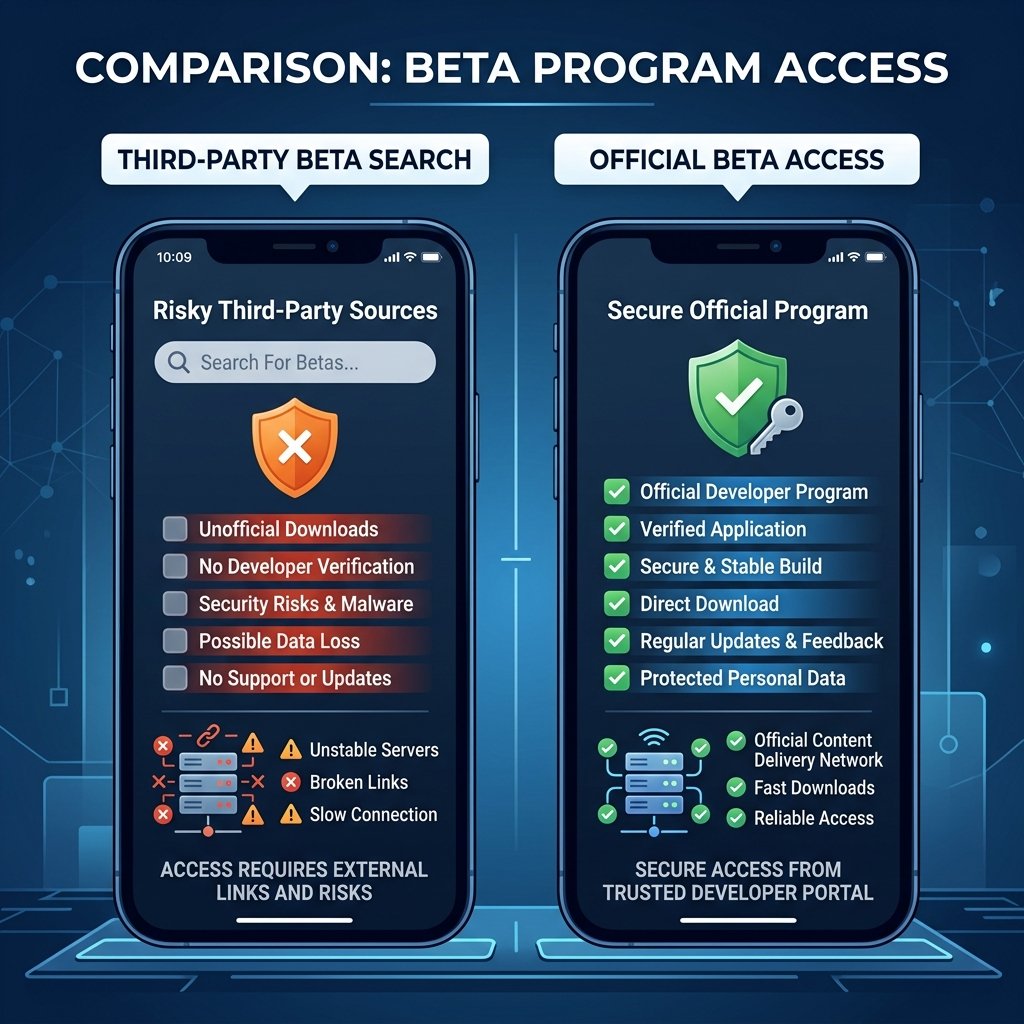
Forget risky third-party APKs. The Free Fire Advance Server is Garena's official bug-testing playground. By registering through Garena's secure portal, you receive a legitimate, signed testing package and a verified, single-use activation code. This guide details the registration, installation, and bug-hunting processes that let you earn real diamonds for your main account safely.
1. The Architecture of Staging Servers in MMOs
In large-scale multiplayer online games (MMOs) such as Free Fire, maintaining system reliability while deploying major feature upgrades is a monumental engineering challenge. With concurrent user bases numbering in the millions, a single syntax error, memory leak, or logic flaw in a new content build can lead to widespread service disruption, financial ledger errors, or client-side crashes. To mitigate these risks, developers use staging and canary deployments.
Garena manages this strategy through the **Free Fire Advance Server**. This is a completely separate staging environment that runs alongside the live production servers but connects to an independent database cluster. This architecture is designed to mirror the production environment as closely as possible, allowing developers to observe how new game builds perform under real-world network and player-action stress.
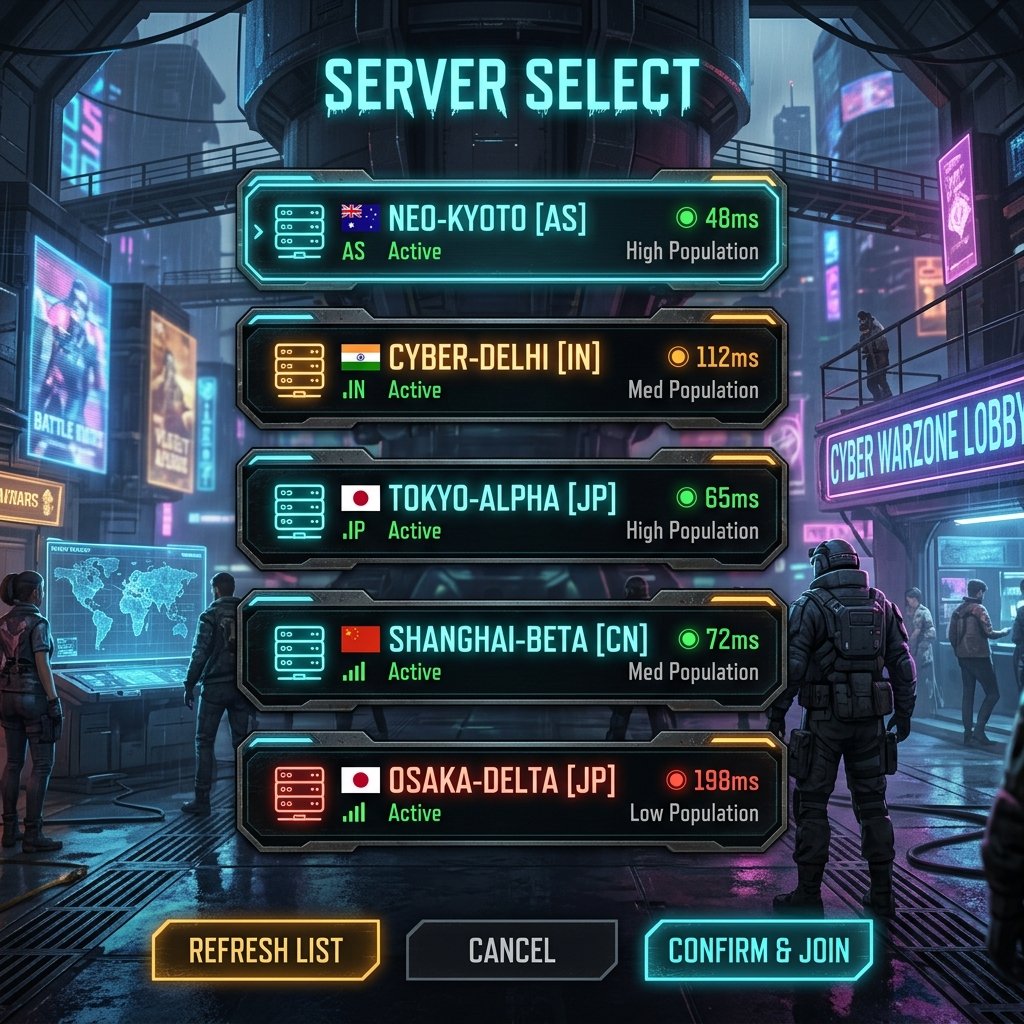
The staging server network consists of several dedicated nodes, including login servers, matchmaker clusters, and regional battle servers. The primary difference lies in database routing. While the live version of Free Fire queries and writes to Garena's production database (which holds player records, virtual assets, rank progression, and microtransaction ledgers), the Advance Server points to an isolated staging database.
This database is seeded with snapshot replicas of production player metadata, but runs on its own independent storage nodes. This separation keeps your main game profile, rankings, and purchase history safe. Any bugs, crashes, or memory leaks that happen on the Advance Server are isolated to that environment, protecting your live production records from database corruption or dirty writes.
To prevent cross-contamination, Garena uses strict firewall configurations and Virtual Private Clouds (VPCs) to segregate the staging environment. Testing clients cannot communicate with live production game clients, and matchmaker nodes are restricted to matching players within the Advance Server pool. This division allows developers to deploy test builds that include radical experimental mechanics—such as character rebalances, untested firearms, and updated physics engines—without any danger of affecting the competitive integrity or infrastructure stability of the main game.
2. The Timeline & OAuth Registration Pipeline
Garena opens registration for the Advance Server approximately 10 to 14 days before a major OB update is scheduled to launch. Because testing slots are limited, registration operates on a first-come, first-served basis. To register, players must visit the official portal at ff-advance.ff.garena.com.
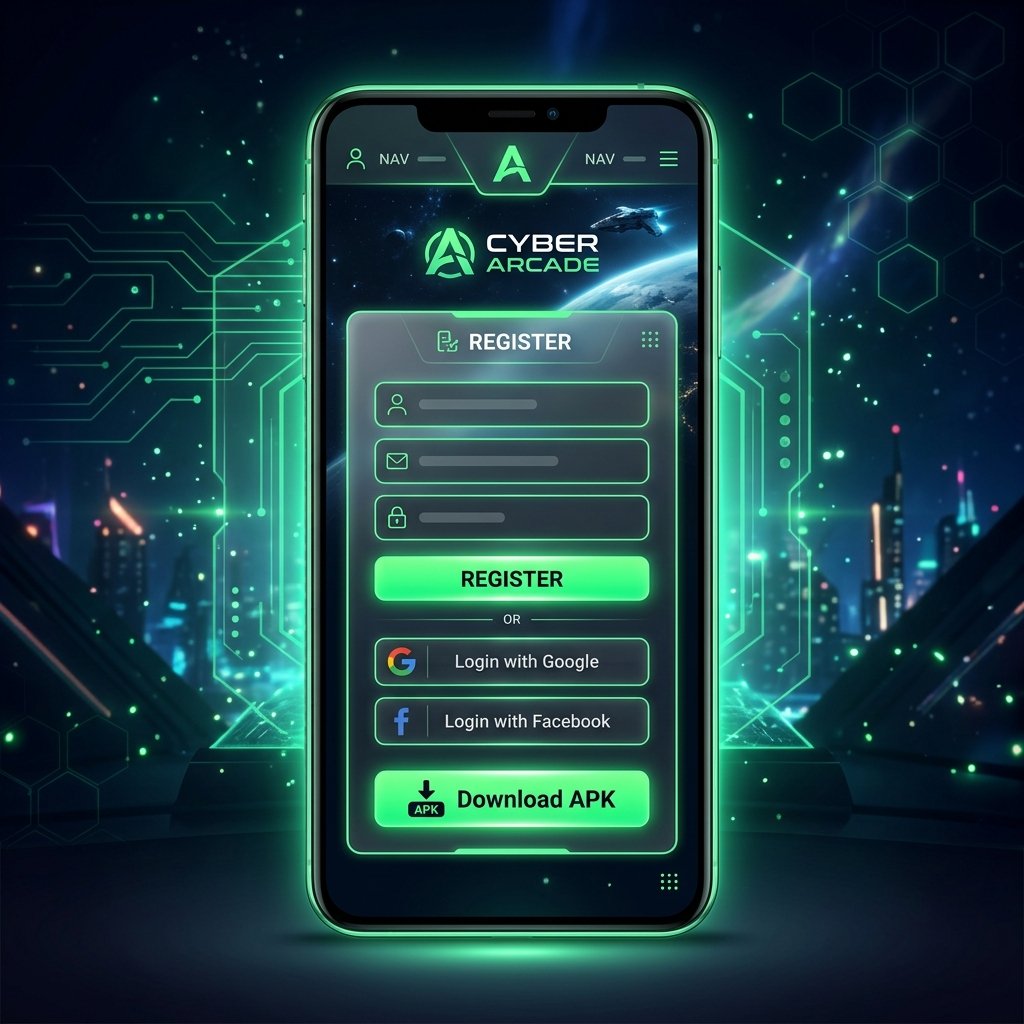
Behind this web interface, Garena implements a standard **OAuth 2.0 Authorization Code Flow** integrated with Facebook and Google Identity Provider (IdP) systems. This authentication method serves a dual purpose: first, it secures player registrations without exposing plain-text user passwords to Garena's web servers, and second, it automatically binds the registration to the user's active, pre-existing Free Fire profile.
The registration process relies on a secure OAuth2 login flow:
- Link Official Accounts: You must log in using the Facebook or Google account linked to your main Free Fire profile. Guest accounts are not eligible.
- Database Syncing: Garena uses this login to verify your profile status and link your testing account to your live mailbox, which is where they send diamond rewards later.
- Provide Contact Info: Enter a valid contact email to receive verification updates and notification of acceptance.
The OAuth 2.0 flow proceeds through a detailed sequence of handshakes:
- User Redirection: The player clicks the registration login button, triggering Garena's frontend to redirect the browser to the Identity Provider's authorization URL (e.g., Google's
https://accounts.google.com/o/oauth2/v2/auth). The redirect parameters include the Garenaclient_id, theredirect_uricallback endpoint, theresponse_type=codedirective, a securestatetoken to prevent Cross-Site Request Forgery (CSRF), and requested access scopes (openid,profile, andemail). - Consent and Authorization Code: The user completes authentication on the IdP's platform. Upon approval, the IdP sends the user back to Garena's callback endpoint:
https://ff-advance.ff.garena.com/auth/callback, carrying a short-lived authorization code. - Server-Side Token Exchange: Garena's backend server intercepts the authorization code. It performs a secure server-to-server POST request to the provider's token endpoint (such as
https://oauth2.googleapis.com/token), authenticating with Garena's private client credentials to trade the code for an OAuth access token and an ID token. - Player Registry Matching: Garena queries the user info endpoint using the access token. It extracts the unique social user identifier (such as the Google sub claim or Facebook Scoped User ID) and searches the main Free Fire database. The system checks if the player account meets minimum active play criteria, such as a character level of 10 or above and active game sessions within the last 30 days.
- Session Initialization: If the database checks pass, the registration service initializes a session in Garena's applicant database, issuing an internal JSON Web Token (JWT) signed using the RS256 algorithm. This JWT authorizes the player's web dashboard to display their generated Activation Code.
3. The Cryptographic Activation Code System
If accepted into the program, Garena generates a unique, 16-character Activation Code (UUID) for your account. This code is a security key that prevents unverified client connections.
When Garena's system approves an application, the registration backend generates a unique Activation Code. This code is not a simple random string; it is a cryptographically secure, high-entropy unique identifier mapped to the player's account record in Garena's database.
The activation code acts as a digital key that protects the Advance Server against unauthorized logins. Since the staging client APK is publicly downloadable once compiled, Garena requires this code to authenticate players when the game client runs. The backend database maintains a state machine for each code, using database fields to track its status:
- UNASSIGNED: The code has been generated but not yet shown to the user.
- ASSIGNED: The code is linked to a verified applicant UID.
- ACTIVATED: The code has been redeemed by a game client and is bound to a physical device fingerprint.
- REVOKED: The code has been blacklisted due to terms of service violations or exploitation.
When you open the Advance Server app for the first time, it sends an API request (typically a JSON payload over HTTPS, like POST /api/v1/auth/verify-code) to Garena's authentication servers. The server validates the code against its database before granting access. The payload sent by the game client includes the activation code alongside a hardware fingerprint constructed from device-specific identifiers, such as the Android ID, hardware serial, MAC address hashes, and Widevine Device ID.
Garena's auth servers process this request by checking the status of the activation code in the database. If the code is in the ASSIGNED state, the auth server updates its status to ACTIVATED and binds it to the provided device fingerprint. The server then signs a short-lived session token (JWT) containing the player's staging UID and device claims, which the client must present to the game server for all subsequent network actions.
Because the code is cryptographically bound to the device fingerprint upon first use, it cannot be shared or reused on other devices. If a player attempts to log in from a second device, the authentication system compares the hardware fingerprint with the database record, sees a mismatch, and rejects the connection. This design prevents players from selling or sharing codes, ensuring that the number of active test clients matches Garena's server capacity.
4. CDN Infrastructure, Network Handshakes, and APK Distribution
The Advance Server is distributed as a standalone APK file. Because it uses a different package name (typically com.dts.freefireth.advance) than the live game (com.dts.freefireth), both apps can run side-by-side on your device without file conflict issues.
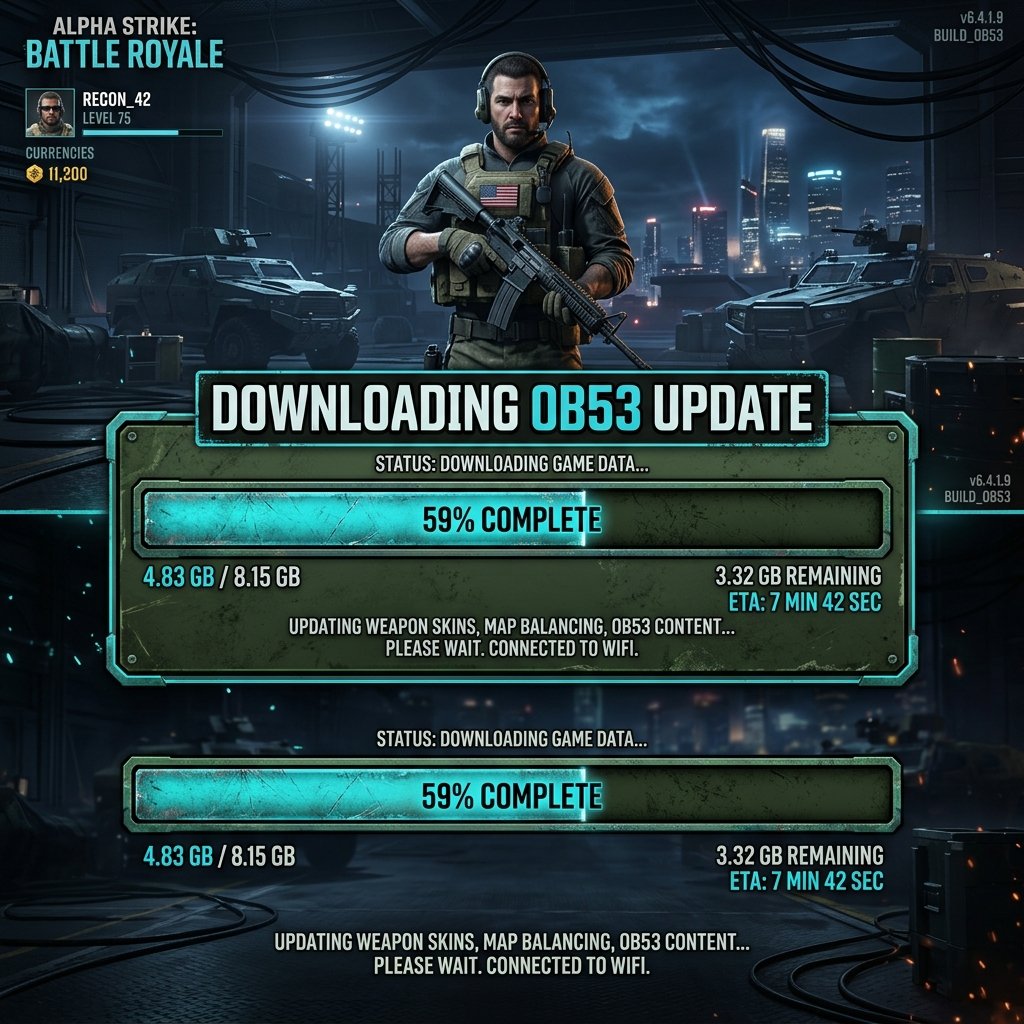
Distributing a 1.2 GB to 1.5 GB APK to hundreds of thousands of concurrent testers requires a robust Content Delivery Network (CDN) to ensure high availability and fast downloads. Garena uses a multi-CDN distribution strategy, leveraging global networks like **Akamai Intelligent Edge** and **Cloudflare Enterprise CDN** to cache the client build near players.
When a player clicks 'Download APK', the download URL (e.g., https://dl.ff.garena.com/advance/FF_Advance_OB53_client.apk) is resolved through Anycast DNS routing. The DNS server analyzes the player's IP address and routes the request to the nearest CDN Edge server (Point of Presence or PoP), minimizing network latency and packet loss.
The download connection uses optimized network handshakes:
- TCP Fast Open (TFO): To reduce latency, Garena's CDN nodes support TFO (RFC 7413). During the initial connection, the client requests a TFO cookie. On subsequent requests, the client sends data in the TCP SYN packet, saving one full Round Trip Time (RTT).
- TLS 1.3 Negotiation: TLS 1.3 is enforced for transport security. By reducing the cryptographic handshake from two round trips to one, and supporting 0-RTT session resumption, downloads start almost instantly. The connection negotiates Application-Layer Protocol Negotiation (ALPN) to run HTTP/2 or HTTP/3 over QUIC, using UDP multiplexing to prevent head-of-line blocking on unstable mobile networks.
- Byte-Range Requests (HTTP 206): Mobile connections can be unstable, leading to interrupted downloads. To prevent players from having to restart a 1.5 GB download from scratch, Garena's CDN supports HTTP Range requests (RFC 7233). When a connection drops, the download manager reads the size of the partially downloaded file and requests only the remaining bytes:
GET /advance/FF_Advance_OB53_client.apk HTTP/1.1Host: dl.ff.garena.comRange: bytes=524288000-1048575999
The CDN server responds withHTTP/1.1 206 Partial Contentand delivers the specified byte chunk. - Integrity Validation: Once the download completes, the installer app computes the SHA-256 checksum of the APK file and compares it with the hash provided in Garena's secure CDN manifest. If the hashes match, the APK is verified as safe and complete. If they don't, the package is flagged as corrupted or tampered with, and the user is prompted to redownload the file. This process protects the player's device from corrupted installations and Man-in-the-Middle (MitM) attacks.
Because this package is distributed outside the Google Play Store, Android requires you to enable "Install from Unknown Sources" in your settings. Make sure you only download the APK from Garena's official domain to ensure you are installing a safe, unmodified package.
Garena's engineering team also optimizes TCP congestion control algorithms (such as BBR or CUBIC) on edge nodes to maintain stable throughput during high packet loss events, which are common on mobile networks in developing regions. In addition, HTTP/3 implementation over UDP QUIC allows for connection migration. This means that if a user transitions from their home Wi-Fi network to a 4G/5G cellular network during the download, the download continues seamlessly without having to re-establish the connection.
5. Bug Bounty Telemetry Architecture: JSON Schema & Logs
The primary goal of the Advance Server is to collect telemetry, crash dumps, and bug reports from real-world usage. When a tester encounters a bug or experiences a client crash, the game's internal diagnostic tool gathers debug logs and sends them to Garena's ingestion endpoint: POST https://telemetry-ff.garena.com/api/v1/bug-report.

The telemetry system uses structured JSON schemas to format bug reports. This format allows Garena's automated parser to extract and categorize logs, route tickets to developer teams, and check for duplicate reports. A typical bug report payload contains the following data structure:
{
  "$schema": "https://garena.com/schemas/bug-report.v2.json",
  "report_metadata": {
    "report_id": "a9f8b7c6-d5e4-4f3g-2h1i-0j9k8l7m6n5o",
    "timestamp": "2026-05-22T14:21:18Z",
    "reporter_uid": "9876543210",
    "advance_server_jwt": "eyJhbGciOiJIUzI1NiIsInR5cCI6IkpXVCJ9...",
    "category": "CRASH",
    "client_build_version": "OB53.15.2"
  },
  "device_hardware_profile": {
    "device_manufacturer": "Samsung",
    "device_model": "SM-G998B",
    "soc_model": "Exynos 2100",
    "gpu_renderer": "Mali-G78 MP14",
    "ram_total_mb": 12288,
    "ram_available_mb": 3412,
    "os_version": "Android 13 (API 33)",
    "graphics_api": "Vulkan 1.2"
  },
  "crash_telemetry": {
    "exit_code": 139,
    "signal": "SIGSEGV",
    "fault_address": "0x000000000000003c",
    "stack_trace": [
      "libunity.so (offset 0x003d2b40) - il2cpp::vm::MetadataCache::GetTypeInfoFromTypeIndex",
      "libgame.so (offset 0x01af4310) - CharacterWeaponManager::EquipWeapon(int)",
      "libgame.so (offset 0x01b0f1e0) - GameStateBattle::UpdateLoop()",
      "app_process64 (offset 0x0000e318) - [RegisterNatives]"
    ],
    "logcat_excerpt": "DEBUG  : --- >>> Fault Address: 0x3c, Signal: 11 (SIGSEGV) <<<\nERROR  : Unity  : NullReferenceException: Object reference not set to an instance of an object.\nWARN   : Audio  : Audio channel depletion detected on player action."
  },
  "network_topology": {
    "connection_type": "WiFi_5GHz",
    "carrier": "Jio",
    "rtt_latency_ms": 48.2,
    "packet_loss_percentage": 0.15,
    "dns_resolver": "8.8.8.8",
    "traceroute": [
      {"hop": 1, "ip": "192.168.1.1", "rtt_ms": 1.2},
      {"hop": 2, "ip": "10.0.0.1", "rtt_ms": 12.4},
      {"hop": 5, "ip": "180.179.48.12", "rtt_ms": 28.1},
      {"hop": 8, "ip": "104.16.248.5", "rtt_ms": 47.9}
    ]
  }
}
This telemetry JSON schema collects several critical data blocks to allow the engineering team to diagnose issues effectively:
- report_metadata: Contains a unique ID for the report, time information, client version details, and the reporter's JWT. The JWT is checked to confirm the player is registered and authorized.
- device_hardware_profile: Lists the device's technical specifications, including the GPU renderer, RAM capacity, and graphics API. This helps developers identify bugs that only affect specific hardware, such as rendering issues on Exynos chips or OpenGL ES out-of-memory crashes.
- crash_telemetry: If the bug caused a crash, this block captures the system signal (e.g.,
SIGSEGVfor segmentation faults), the fault address, and the C++ stack trace from the compiled Unity/IL2CPP binaries. This information is critical for developers to symbolic and fix null pointer exceptions or memory access violations. - network_topology: Logs network statistics to diagnose connectivity bugs. High ping, packet loss, or routing problems can cause sync issues, desynchronization, and hit registration errors that players might mistake for client-side bugs. It provides trace route endpoints to locate bottlenecked routers.
When a report is received, Garena's telemetry pipeline runs it through an automated log symbolication service. The service uses ProGuard mappings for Java/Kotlin code and symbols files (dSYMs) for C++ game engines to convert memory addresses into human-readable class names, method names, and line numbers. The telemetry pipeline then groups duplicate reports based on stack trace signatures, preventing developers from manually sorting through thousands of identical tickets.
6. Bug Scoring Taxonomy, QA Workflow & Diamond Credit Automation
To incentivize testers to submit high-quality, actionable bug reports, Garena operates a structured Bug Bounty program with a clear **bug scoring taxonomy** and automated reward payouts. Bugs are evaluated based on their impact on game stability, economy, and balance.
The table below outlines the bug scoring taxonomy and corresponding reward tiers:
| Severity Level | Technical Description & Examples | Diamond Reward |
|---|---|---|
| Critical | Server crash exploits, remote code execution (RCE) vulnerabilities, payment/billing flaws, duplication exploits, or bugs that crash the client for all players in a match. | 3,000 Diamonds |
| Major | Reproducible gameplay exploits, wall-penetration bugs, character skill stack glitches, shooting speed hacks, or severe graphics bugs that make gameplay impossible. | 1,000 Diamonds |
| Minor | UI overlaps, local translation or spelling mistakes, minor cosmetic clipping (e.g., clothing overlapping textures), or delay in audio channels. | 100 Diamonds |
The verification process follows a structured workflow:
- Submission & Ingestion: The tester submits a bug report through the portal, sending the JSON telemetry payload to Garena's server.
- Automated Triage: A parser checks the telemetry data to ensure the report contains the required logs, reproduction steps, and device specs. If the report is a duplicate or is missing key data, it is filtered out.
- Manual QA Verification: Validated reports are assigned to Garena's QA team. Testers reproduce the bug on matching physical devices or cloud device farms (such as AWS Device Farm or Corellium) to confirm the issue and verify the steps to reproduce it.
- Approval & Scoring: Once verified, the QA lead approves the ticket, categorizes the severity level (Critical, Major, or Minor), and flags it as 'Verified'.
- Reward Automation Pipeline: The ticket status change triggers an internal webhook that connects to Garena's Billing & Ledger service. The automation system runs a transaction using a two-phase commit (2PC) protocol to ensure reliability.
To ensure consistency and prevent double-spending or ledger errors, Garena's ledger system processes rewards using strict transactional rules:
START TRANSACTION;
INSERT INTO player_diamond_ledger (uid, transaction_id, credit_amount, source_type, status)
VALUES ('9876543210', 'TX_ADV53_987654', 3000, 'ADVANCE_SERVER_BOUNTY', 'COMPLETED');
UPDATE player_balances SET diamonds = diamonds + 3000 WHERE uid = '9876543210';
COMMIT;
Once the database transaction commits successfully, a Kafka message broker triggers Garena's in-game Mail Service API. This service sends an in-game mail to the user's primary live profile containing the diamond attachment. The message displays the specific QA ticket reference number and a thank-you note from the development team. This complete automation guarantees that testers receive their rewards safely and instantly upon bug verification, eliminating manual intervention errors.
7. Staging Server Summary & Strategic Comparison
The Garena Free Fire Advance Server is a valuable tool for both developers and players. It allows Garena to test upcoming features and fix bugs before release, while giving players a sneak peek at new content and a chance to earn rewards.
Using the official Advance Server is much safer than downloading unofficial client files. Third-party APKs can contain malware, spy on your device, or steal your account details. In contrast, the official Advance Server is securely signed by Garena, uses standard OAuth 2.0 logins, and runs side-by-side with the main game.
By participating in Garena's testing pipeline, you play a vital role in maintaining the security, quality, and performance of the game. The feedback you submit through crash reports, device dumps, and network metrics helps developers fix issues before they can impact the millions of players on the live servers.
If you want to test upcoming updates, register early on Garena’s official website. Follow the instructions to install the client safely, report any bugs you find with detailed steps, and earn rewards for helping improve the game.